Chimney Liners in New Jersey
The liner is the inner wall of the flue. It carries smoke and combustion gases out and protects the masonry and the house from heat. When it is cracked, missing or the wrong size, it needs attention.
What a liner does
A flue liner has three jobs. It contains the products of combustion so they leave through the chimney and not into the house. It protects the masonry and nearby framing from heat and from corrosive byproducts. And it gives the appliance a flue of the right size.
Signs the liner has a problem
- Cracked or missing pieces of clay tile found at inspection
- Gaps or missing mortar between tiles
- Flaking or rust on a metal liner
- No liner in an older chimney
- Flue deposits that seep through the masonry
- A new appliance connected to a flue that was not built for it
- Damage after a chimney fire
Why liners fail
- Age and repeated heating and cooling crack clay tiles
- A chimney fire can crack tiles or damage a liner
- Moisture and acidic condensation attack liners and mortar joints, especially with gas and oil appliances
- Water entering from the top rusts metal and deteriorates joints
- Changes to the appliance or fuel can leave a flue oversized or unsuitable
Liner types
| Type | Notes |
|---|---|
| Clay tile | Common in masonry chimneys, and can crack or open at joints over time |
| Stainless steel | A common replacement, available in flexible and rigid forms, with or without insulation |
| Cast-in-place | A cement-based lining formed inside the existing flue |
| Aluminum | Limited use, generally for certain gas appliances only |
Which one is right depends on the fuel, the appliance and its manufacturer's requirements, and the condition and size of the existing flue. We explain the options and why one fits.
Relining or resurfacing
If the existing flue is basically sound but has cracks or open joints, flue resurfacing may be an option. If it is badly damaged, or the appliance needs a different size, relining is more likely.
What the work involves
From finding a problem to a sound flue
- ExamineWe inspect the flue and check its size against the appliance.
- RecommendWe explain whether to repair, resurface or reline.
- InstallThe new liner or repair is installed and connected.
- Close outThe top of the chimney is finished with a cap or cover.
Our work
Recent chimney liners projects
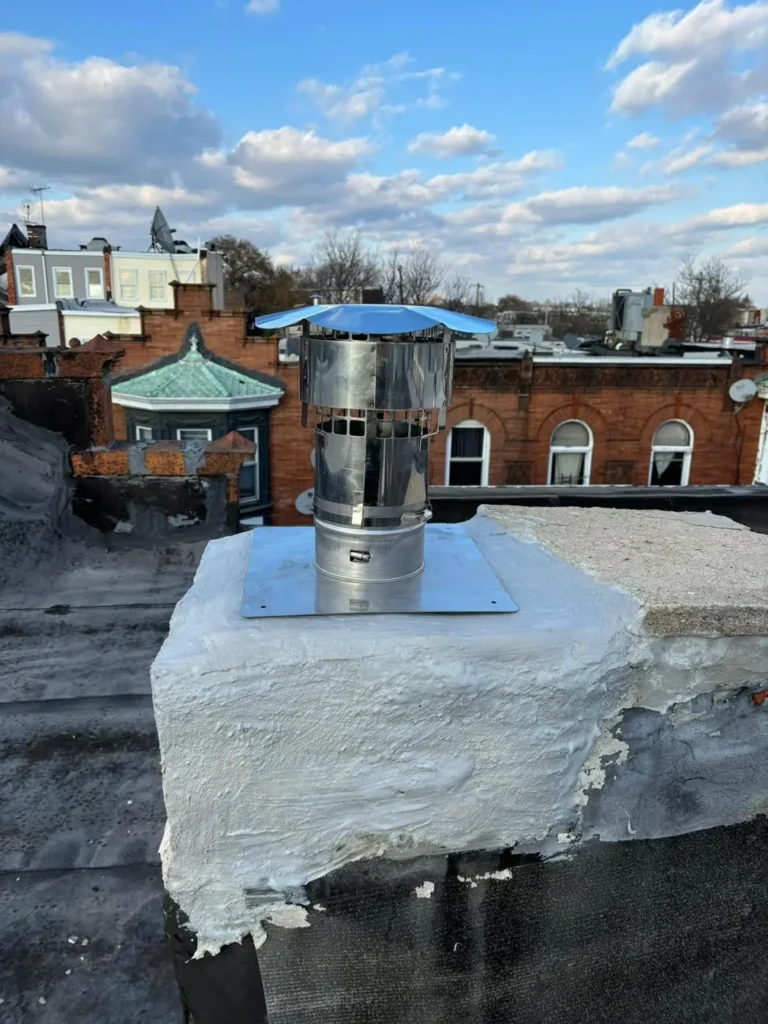
Chimney Liner Installation and Crown Repair in Mount Holly, NJ
Mount Holly, NJ · Chimney liner installation, crown repair
A chimney liner installed and the crown repaired in Mount Holly.
Read the project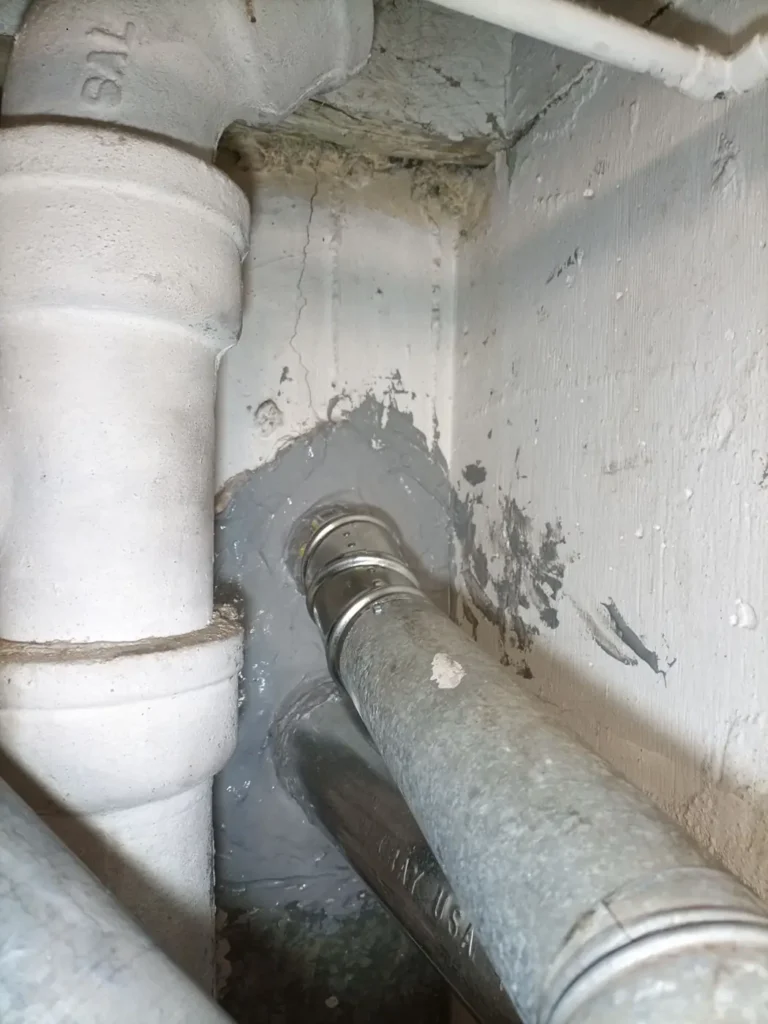
Chimney Liner Installation in Pemberton Township, NJ
Pemberton Township, NJ · Chimney liner installation
A chimney liner and its connections installed in Pemberton.
Read the project
Liner Installation, Two Crown Repairs and Two Chimney Caps in North Brunswick Township, NJ
North Brunswick Township, NJ · Chimney liner, two crown repairs, two chimney caps
A multi-part chimney project: liner, two crowns and two caps.
Read the project
Chimney Liner Installation in Point Pleasant, NJ
Point Pleasant, NJ · Chimney liner installation
A chimney liner installed in Point Pleasant, with connection and termination components.
Read the project
Chimney Liner Installation in Clinton Township, NJ
Clinton Township, NJ · Chimney liner installation
A chimney liner and related venting connections installed in Clinton Township, Hunterdon County.
Read the project
Chimney Liner and Crown Repair in Delran, NJ
Delran, NJ · Chimney liner, crown repair
Chimney liner work and crown repair on a Delran chimney.
Read the projectSpecific services
Liner Installation
For no liner or a new appliance.
Learn moreLiner Replacement
Damaged liners beyond repair.
Learn moreLiner Repair
Cracked or open flue liners.
Learn moreBefore a New Appliance
Will the flue suit a stove, insert or gas unit?
Learn moreFireplace Insert Installation
Insert and liner for an efficient fireplace.
Learn moreWood Stove Installation
Flue, clearances and connection.
Learn moreRelated services
Chimney Inspection
A closer look at the liner and the rest of the flue.
Learn moreHeatShield Flue Repair
A resurfacing option when the flue is basically sound.
Learn moreChimney Caps
Cap the new liner to keep water out.
Learn moreWe work throughout New Jersey. See our service areas, or browse all services.
Questions
Frequently asked questions
Does every chimney need a liner?
A flue needs a sound, properly sized liner or an equivalent lining. Older chimneys sometimes have none. What your chimney needs depends on its construction and what is connected to it.
Why does changing my heating appliance affect the chimney?
Different appliances produce different gases and temperatures and need a flue sized for them. An oversize flue can cool the gases too much and cause condensation, so the liner may need to change.
Can a cracked clay liner be repaired?
Sometimes. Minor cracks and open joints may be resurfaced. Extensive damage usually means a new liner.
Which liner is best?
There is no single best one. The right choice depends on the fuel, the appliance and the existing flue.
Ready to have your chimney looked at?
Call us, or send a scheduling request. We will contact you to confirm a time. Your appointment is not confirmed until we do.