Chimney Liner Installation
A new liner gives a flue the right size and a sound inner wall. It is the usual answer when a chimney has no liner, or when a new appliance is going to be connected to it.
When we install a new liner
- The chimney was never lined, which is common in older homes
- A new stove, insert or gas appliance is being connected
- The existing flue is too large or too small for the appliance
- A change of fuel, such as moving to gas
- The flue was found to be unsafe and needs a new lining
If an existing liner is failing, see liner replacement. If you are considering a new appliance, start with an inspection before you buy.
How the right liner is chosen
| Factor | What it decides |
|---|---|
| Fuel and appliance | Wood, gas and oil have different requirements, and the manufacturer’s instructions apply. |
| Flue size and shape | The liner has to be sized for the appliance, and has to fit the flue. |
| Chimney condition | A sound chimney can take most liners. Damaged masonry has to be looked at first. |
| Insulation | Some installations call for an insulated liner to keep the exhaust hot and the flue draft strong. |
| Material | Stainless steel is the usual choice. Clay tile and cast-in-place linings are other options. |
There is no single best liner. We explain what applies to your chimney and why.
What the installation involves
A flexible stainless steel liner is lowered from the top of the chimney through the existing flue and connected at the bottom. It is secured at the top and finished with a cap, so the flue is closed to water and animals. We also check that the connection to the appliance is correct. The old flue stays in place around it. Rigid liners and other materials are installed differently, and we tell you what to expect.
Finishing the top
Every liner needs the top finished well. A cap keeps out rain and animals and holds the liner in place. If the crown has cracked, we recommend repairing it at the same time.
A liner does not repair a damaged chimney. If the masonry or crown is deteriorating, that needs attention too.
What the work involves
How installation goes
- InspectWe check the flue, its size and the appliance.
- SpecifyWe choose a liner that suits the fuel and the flue.
- InstallThe liner is installed and connected at the bottom and top.
- FinishThe top is closed with a cap and we check the result.
Our work
Recent liner installations
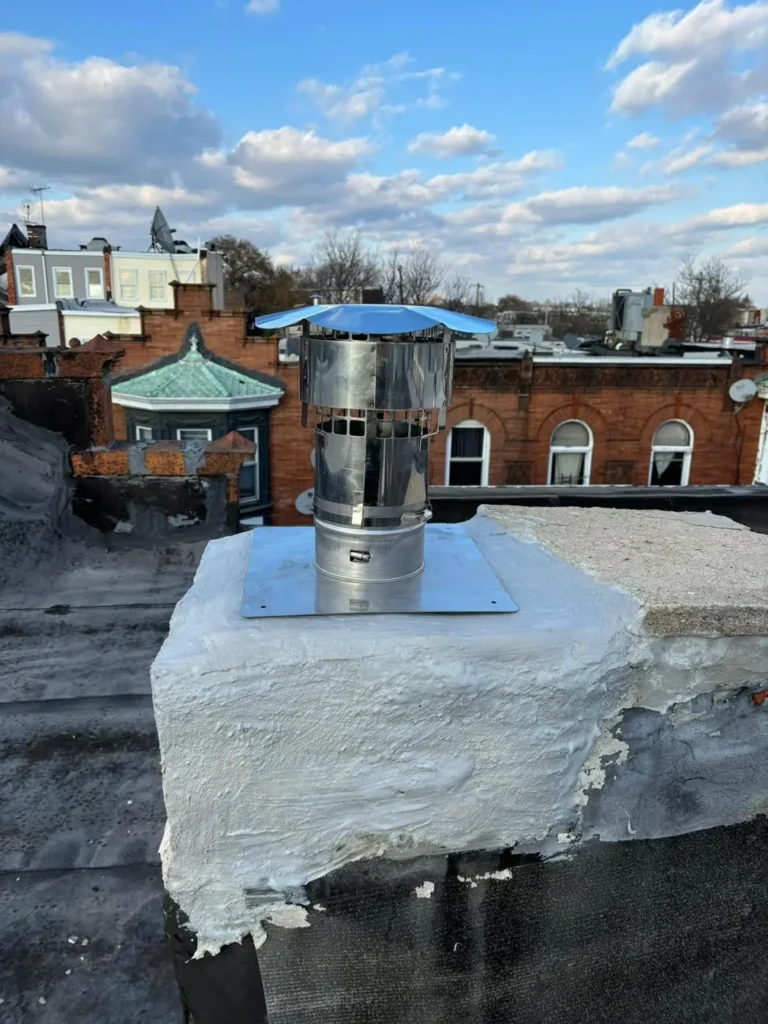
Chimney Liner Installation and Crown Repair in Mount Holly, NJ
Mount Holly, NJ · Chimney liner installation, crown repair
A chimney liner installed and the crown repaired in Mount Holly.
Read the project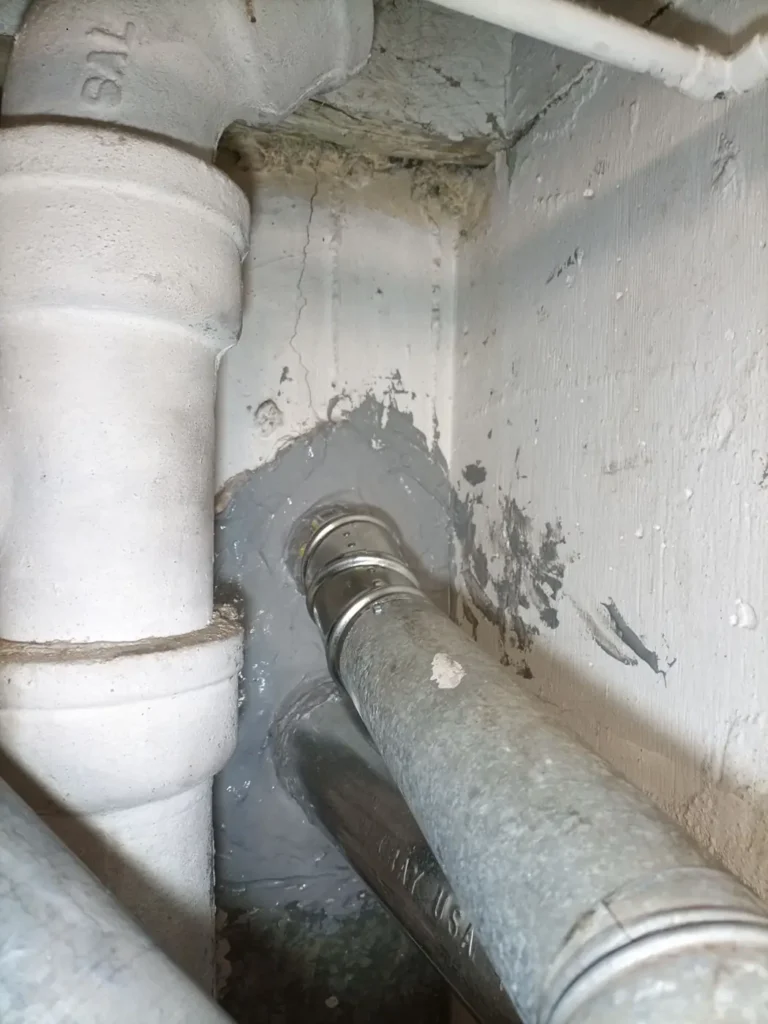
Chimney Liner Installation in Pemberton Township, NJ
Pemberton Township, NJ · Chimney liner installation
A chimney liner and its connections installed in Pemberton.
Read the project
Chimney Liner Installation in Point Pleasant, NJ
Point Pleasant, NJ · Chimney liner installation
A chimney liner installed in Point Pleasant, with connection and termination components.
Read the project
Chimney Liner Installation in Clinton Township, NJ
Clinton Township, NJ · Chimney liner installation
A chimney liner and related venting connections installed in Clinton Township, Hunterdon County.
Read the projectRelated services
Chimney Liners
The liner types in more detail.
Learn moreChimney Caps
The finish at the top of the new liner.
Learn moreLevel 2 Chimney Inspection
Look inside the flue first.
Learn moreFireplace Insert Installation
Insert and liner for an efficient fireplace.
Learn moreWood Stove Installation
Flue, clearances and connection.
Learn moreWe work throughout New Jersey. See our service areas, or browse all services.
Questions
Frequently asked questions
Does my chimney need a liner?
A flue needs a sound, properly sized liner or an equivalent. Older chimneys sometimes have none. An inspection tells you.
Which liner is best?
It depends on the fuel, appliance and chimney. We explain which fits and why.
Can I line a chimney myself?
Working on the roof and sizing the liner correctly are the hard parts. A liner that does not suit the appliance can cause poor draft and unsafe conditions.
Is a liner covered by my homeowner insurance?
That is a question for your insurer. We can explain what we found and why it is needed.
Ready to have your chimney looked at?
Call us, or send a scheduling request. We will contact you to confirm a time. Your appointment is not confirmed until we do.