Liners and flues
Clay tile vs. stainless steel liners
Both are in wide use. Neither is better in the abstract, because the right choice depends on the flue you have and the appliance connected to it.
Short answer. Clay tile is the traditional lining, long-lived when intact but prone to cracking at joints. Stainless steel liners are inserted into an existing flue and sized to the appliance. The right choice depends on the flue condition, the fuel and how the fireplace or heater is used.
How they compare
| Clay tile | Stainless steel | |
|---|---|---|
| What it is | Short ceramic sections stacked in the chimney | Metal sleeve installed inside an existing flue |
| Where you find it | Many older chimneys, built in | Added later or in newer installs |
| Strengths | Lasts a long time when intact | Sized to the appliance; can repair a damaged flue |
| Weak points | Cracks, shifted joints, missing sections | Must be correctly sized and installed per its instructions |
| Repairable? | Sometimes resurfaced; sections can be replaced | Replaced as a unit |
| What decides it | Flue condition. A sound clay flue may need nothing. | The appliance. A stove or insert may call for a liner sized to it. |
Where clay tile does well
A clay-lined flue that is intact serves an open fireplace for decades. The tile is part of the chimney, so there is no extra component to fail. The weak points are the joints between sections and the way tile cracks when it is heated fast, as in a chimney fire, or when the chimney moves.
Where stainless steel does well
A stainless liner is chosen when the existing flue has failed, when an appliance needs a flue sized to it, or when the fuel changes. It is installed inside the existing flue and connected at both ends. Because it is a continuous sleeve, it can restore a flue whose tile is damaged. Quality and grade differ between products, so ask what is proposed.
A short decision guide
| Your situation | Usually points to |
|---|---|
| Open fireplace, intact clay flue, no changes | Keep what you have; inspect yearly |
| Cracked or missing clay sections | Repair, resurface or reline |
| New stove or insert | A liner sized to the appliance |
| Fuel change | Check the appliance instructions; a liner is often needed |
| Unlined older chimney | Inspect; liner if the use calls for it |
Questions for a quote
- What is the liner made of and what grade?
- Is it insulated, and why or why not?
- How is it sized for my appliance?
- How is it connected and supported?
- What finishes it at the top?
Common misconceptions
"Stainless is always better." A sound clay flue does not need replacing.
"Clay is outdated." It remains a standard lining.
"Any liner will do." Size, type and installation matter.
About this guide. Published by Dr. Sweeper as general homeowner education, last updated October 1, 2026. Sources are linked where they are cited. What applies to your home can depend on your local building code, your appliance and its manufacturer's instructions, and the actual condition of your chimney, so this guide is not a substitute for an inspection.
If you need help
Related services
Chimney liners
Liner options for the flue.
Learn moreHeatShield flue repair
Repair of a damaged flue without full relining.
Learn moreChimney inspection
A condition check of the chimney system.
Learn moreChimney sweep
Cleaning of the flue and firebox.
Learn moreLiner Replacement
Damaged liners beyond repair.
Learn moreLiner Repair
Cracked or open flue liners.
Learn moreOur work
Related project work
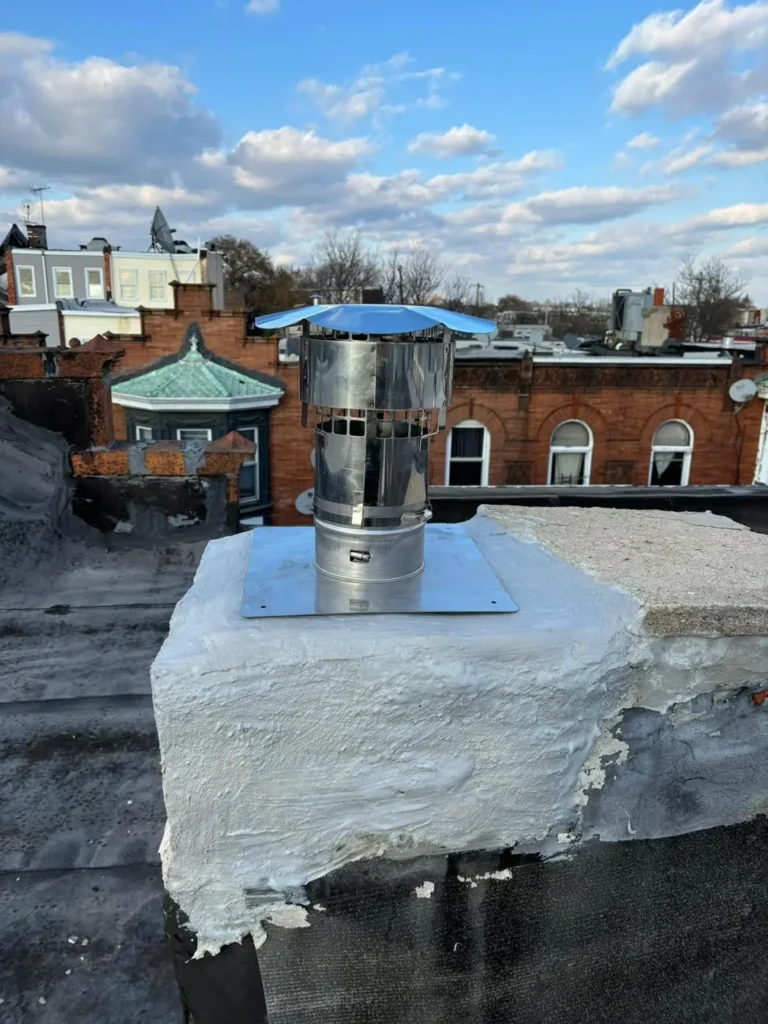
Chimney Liner Installation and Crown Repair in Mount Holly, NJ
Mount Holly, NJ · Chimney liner installation, crown repair
A chimney liner installed and the crown repaired in Mount Holly.
Read the project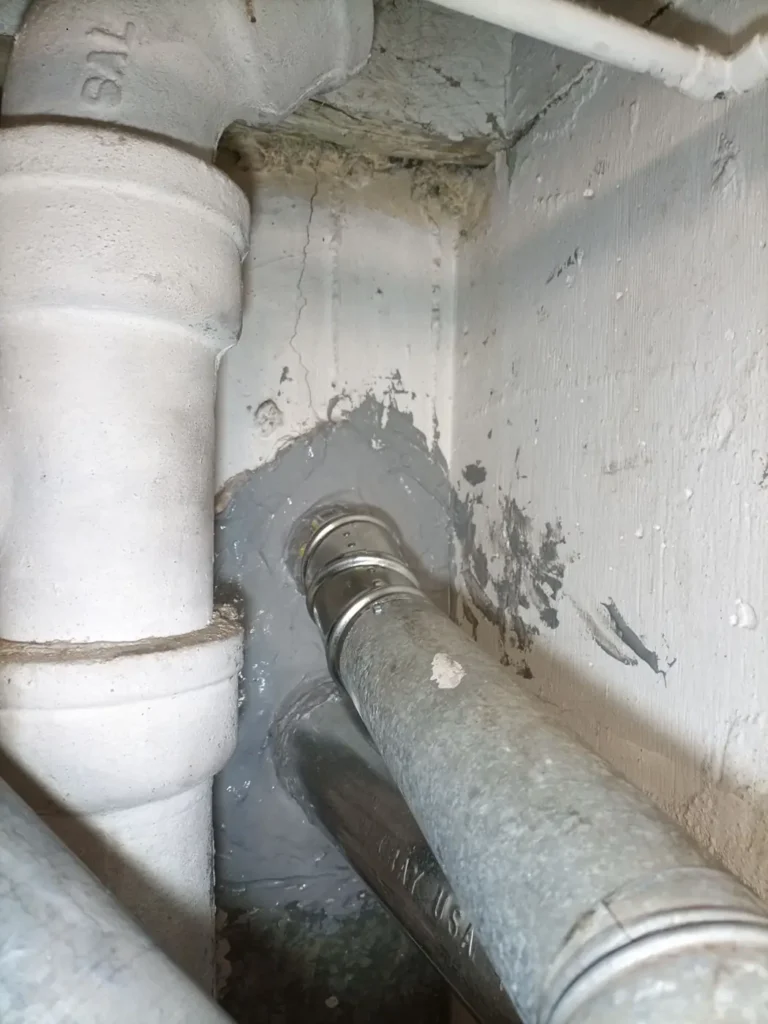
Chimney Liner Installation in Pemberton Township, NJ
Pemberton Township, NJ · Chimney liner installation
A chimney liner and its connections installed in Pemberton.
Read the projectQuestions
Frequently asked questions
Which lasts longer?
That depends on the flue, the use and the quality. An intact clay flue can last a long time, and a good stainless liner serves for years.
Can a clay flue be repaired instead of relined?
Sometimes. Depends on the damage and the method.
Can I see the inside of my flue?
A camera scan shows it, which is part of what the Level 2 inspection description includes.
Is a liner something I can install myself?
We recommend professional installation, following the manufacturer's instructions.
Ready to have your chimney looked at?
Call us, or send a scheduling request. We will contact you to confirm a time. Your appointment is not confirmed until we do.