Liners and flues
Do you need a chimney liner?
A liner is not an upgrade everyone needs. It is the answer to specific problems, and an inspection of the flue is how you know whether you have one.
Short answer. A liner makes sense when the flue is cracked or damaged, when the flue is the wrong size for an appliance, or when a fuel or appliance changes. A sound flue that suits its use may not need one. An inspection of the flue interior is how to tell.
What a liner does
A liner contains the combustion gases, protects the chimney walls and the house framing from heat and moisture, and gives the exhaust a path of the right size. A listed liner should be installed following its manufacturer's instructions and be correctly sized for the appliance.
When a liner comes up
| Situation | Why a liner comes up | What to check |
|---|---|---|
| Cracked or missing flue tile | The flue no longer contains the gases | Inspection of the flue interior |
| New heater, stove or insert | The flue may be too large or the wrong type for it | The appliance instructions |
| Changing fuel (for example wood to gas) | Different exhaust, different needs | Flue condition and appliance requirements |
| After a chimney fire | Damage to the flue may need repair or relining | A Level 2 inspection |
| Unlined older chimney | No continuous protective surface | Condition of the masonry and the use |
| Moisture or staining at the chimney base with a gas appliance | Cool exhaust condensing in an oversized flue | Flue size and condition |
Signs you might look into one
- Pieces of clay tile or crumbled mortar in the firebox or on the cleanout shelf.
- Smoke or odor with the fireplace out of use.
- A fire that draws badly after a new appliance was fitted.
- Staining on the chimney walls inside the house.
- A recommendation after an inspection, with photos or video you can see.
Alternatives to a full liner
Some damaged clay flues can be repaired by resurfacing the inside, which is a different approach from inserting a new sleeve. Whether it fits depends on the flue condition. See HeatShield flue repair for one such method.
How to decide
- Start with an inspection that includes the inside of the flue. See inspection levels.
- Ask for the finding in images or in writing.
- Ask whether repair or relining is proposed, and why.
- Ask what material, size and installation instructions apply.
- Compare options in clay tile versus stainless steel liners.
Common misconceptions
"All old chimneys need a liner." A sound flue that suits its use may not.
"A bigger liner is better." A liner has to suit the appliance. See liner sizing basics.
"A liner fixes a leaking crown." It does not. Water entering at the top still needs the top repaired.
About this guide. Published by Dr. Sweeper as general homeowner education, last updated October 1, 2026. Sources are linked where they are cited. What applies to your home can depend on your local building code, your appliance and its manufacturer's instructions, and the actual condition of your chimney, so this guide is not a substitute for an inspection.
If you need help
Related services
Chimney liners
Liner options for the flue.
Learn moreHeatShield flue repair
Repair of a damaged flue without full relining.
Learn moreChimney inspection
A condition check of the chimney system.
Learn moreChimney caps
Rain and animal protection at the flue top.
Learn moreLiner Installation
For no liner or a new appliance.
Learn moreLiner Replacement
Damaged liners beyond repair.
Learn moreOur work
Related project work
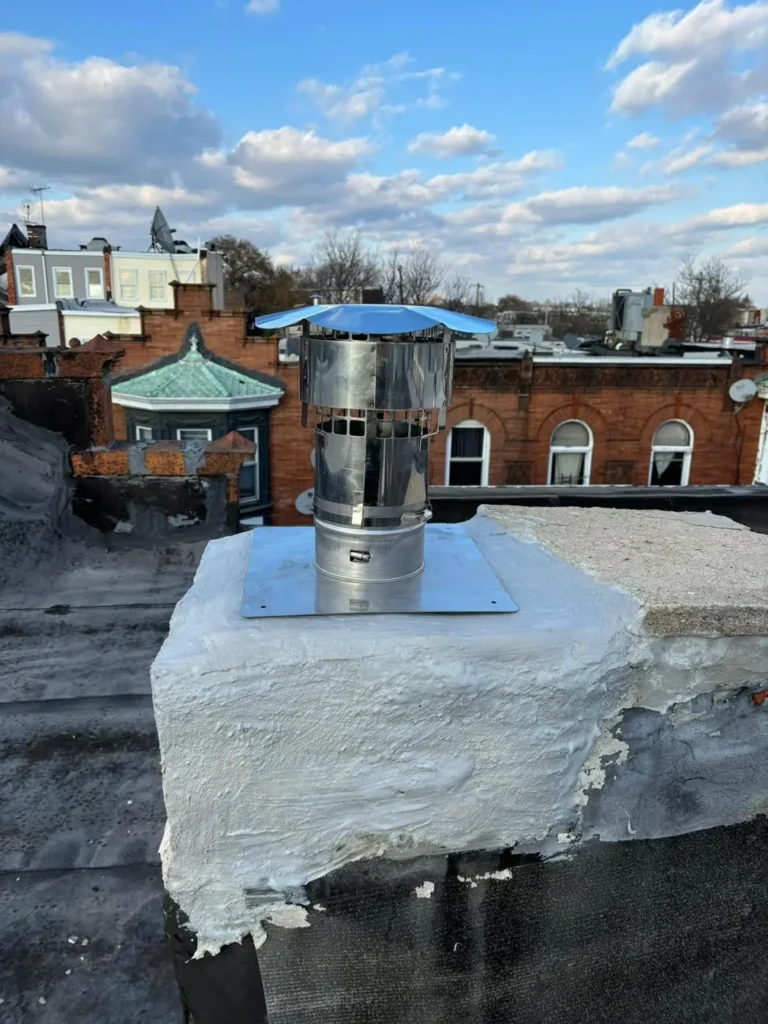
Chimney Liner Installation and Crown Repair in Mount Holly, NJ
Mount Holly, NJ · Chimney liner installation, crown repair
A chimney liner installed and the crown repaired in Mount Holly.
Read the project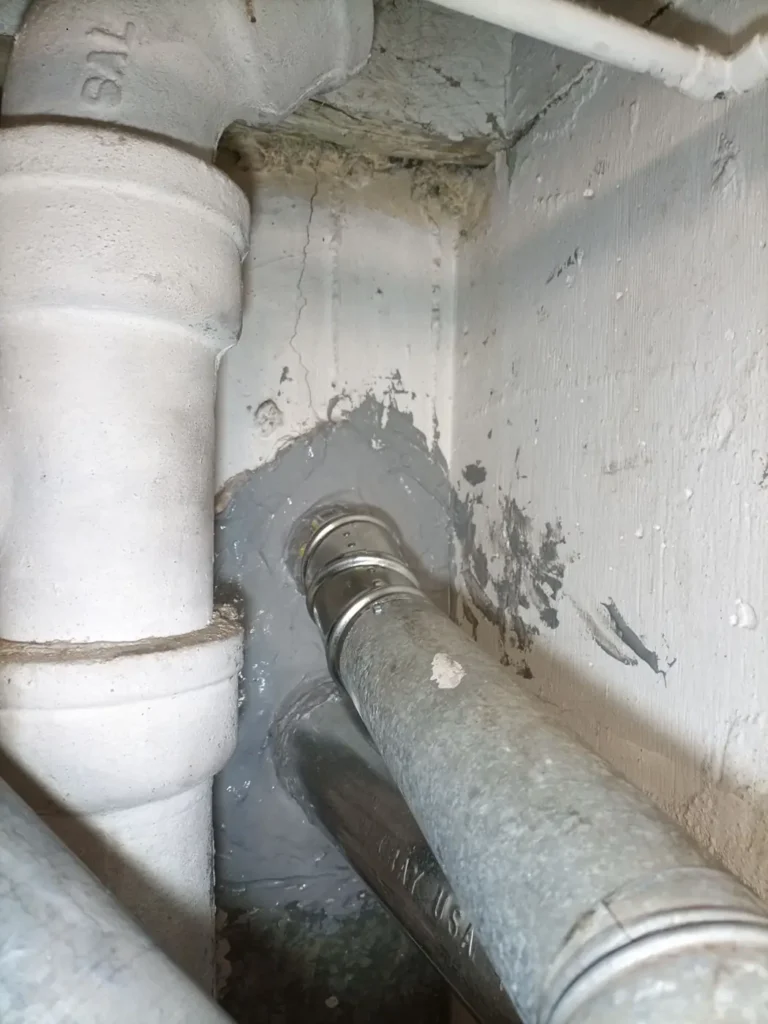
Chimney Liner Installation in Pemberton Township, NJ
Pemberton Township, NJ · Chimney liner installation
A chimney liner and its connections installed in Pemberton.
Read the projectQuestions
Frequently asked questions
Does a gas appliance need a liner?
Often it does. The appliance instructions and the condition of the flue decide.
Can a liner be installed in an unlined chimney?
Yes, a liner can be installed in an existing flue. The details depend on the flue.
Is relining a major job?
The scope depends on the chimney. Ask for the plan before you agree.
What if I am just selling?
Buyers' inspections often look at the flue. A Level 2 inspection before listing can remove surprises.
Ready to have your chimney looked at?
Call us, or send a scheduling request. We will contact you to confirm a time. Your appointment is not confirmed until we do.