Liners and flues
Chimney liner sizing basics
With liners, bigger is not better. The flue has to match the appliance.
Short answer. A liner is sized to the appliance and fuel it serves. A flue that is too large lets exhaust cool and drag; one that is too small restricts it. For open fireplaces, sizing relates to the size of the fireplace opening under the applicable standard, and appliances come with their own instructions.
Why size matters
Draft depends on the temperature and the cross-section of the flue. Hot exhaust moving through a flue of the right size rises steadily. In an oversized flue the exhaust slows and cools, which deposits more creosote with wood and condensation with other fuels.
What sets the size
| Appliance | What guides the size |
|---|---|
| Open masonry fireplace | Fireplace opening area, under the applicable standard |
| Wood stove or insert | The appliance manufacturer instructions |
| Gas appliance | The appliance manufacturer instructions and fuel gas code |
| Furnace or boiler | The appliance instructions and applicable codes |
What this means in practice
Replacing an appliance is a reason to check the flue size again. The old liner may have been right for the old appliance. A professional can compare the new unit requirements with what is in the chimney.
For the overview, see Do you need a chimney liner?.
Questions that decide size
- What appliance will it serve?
- What fuel does it burn?
- What is the shape and size of the existing flue?
- Does the manufacturer specify a size?
Common misconceptions
"Bigger is better." An oversized liner can cool gases and weaken draft.
About this guide. Published by Dr. Sweeper as general homeowner education, last updated October 1, 2026. Sources are linked where they are cited. What applies to your home can depend on your local building code, your appliance and its manufacturer's instructions, and the actual condition of your chimney, so this guide is not a substitute for an inspection.
If you need help
Related services
Chimney liners
Liner options for the flue.
Learn moreChimney inspection
A condition check of the chimney system.
Learn moreHeatShield flue repair
Repair of a damaged flue without full relining.
Learn moreLiner Installation
For no liner or a new appliance.
Learn moreBefore a New Appliance
Will the flue suit a stove, insert or gas unit?
Learn moreWood Stove Installation
Flue, clearances and connection.
Learn moreOur work
Related project work
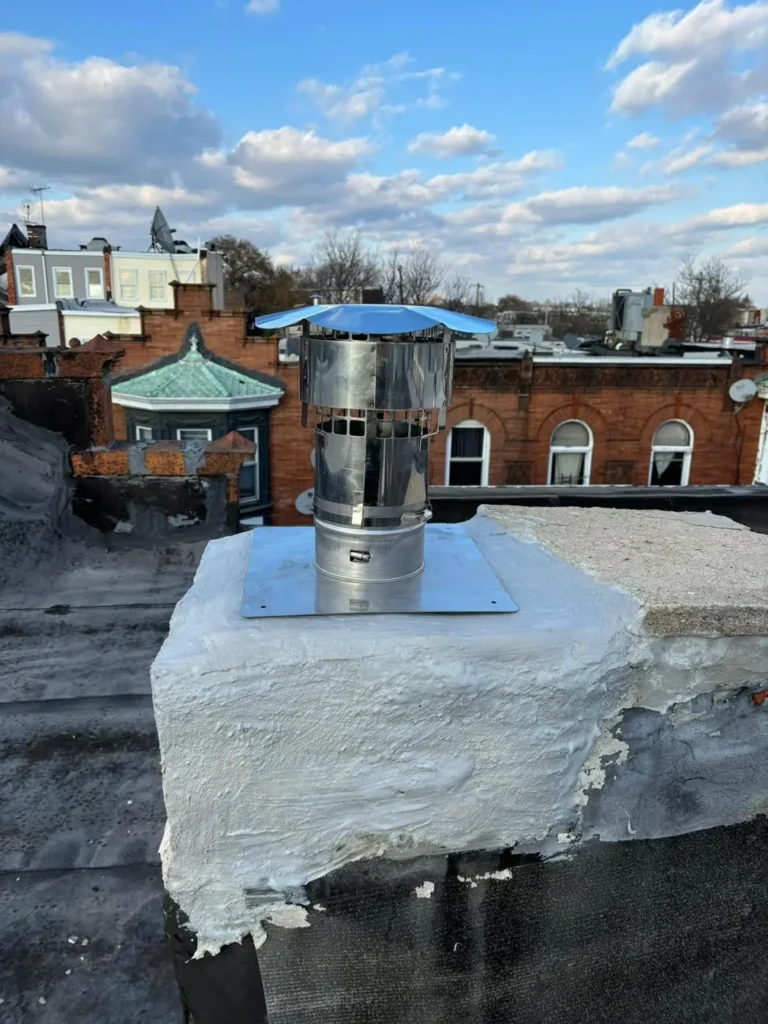
Chimney Liner Installation and Crown Repair in Mount Holly, NJ
Mount Holly, NJ · Chimney liner installation, crown repair
A chimney liner installed and the crown repaired in Mount Holly.
Read the project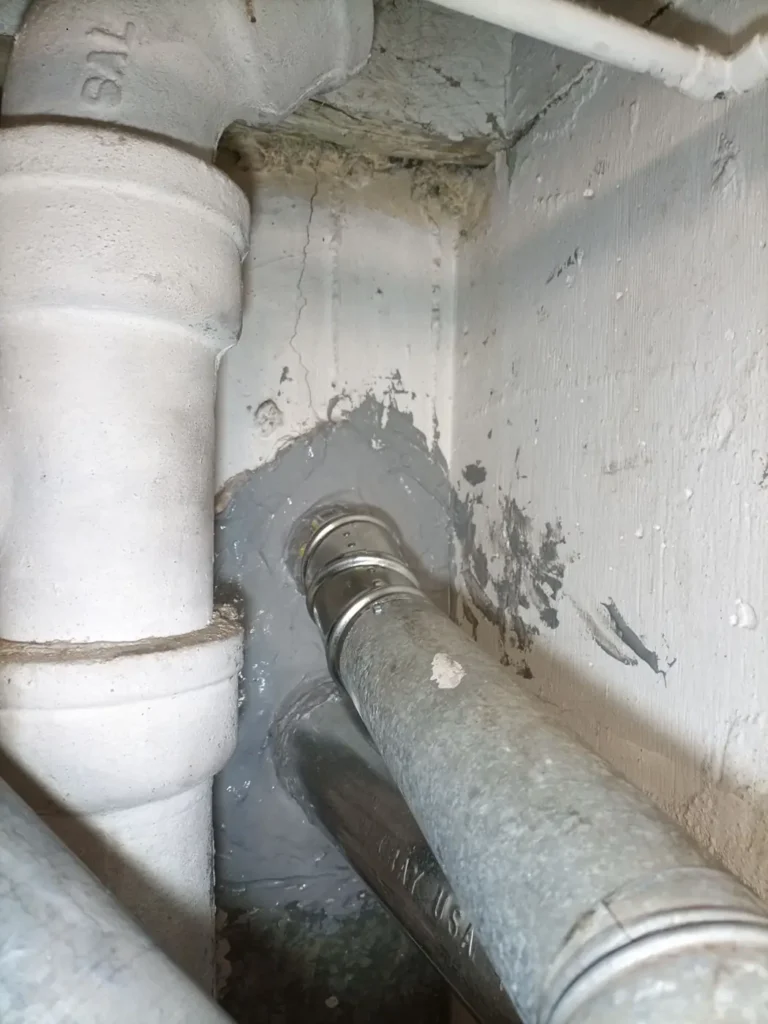
Chimney Liner Installation in Pemberton Township, NJ
Pemberton Township, NJ · Chimney liner installation
A chimney liner and its connections installed in Pemberton.
Read the projectReady to have your chimney looked at?
Call us, or send a scheduling request. We will contact you to confirm a time. Your appointment is not confirmed until we do.