Fireplace and smoke problems
Gas fireplaces: what upkeep do they need?
A gas fireplace does not make creosote, but it is not maintenance-free.
Emergency first. Act on these before anything else on this page.
- Fire, flames, or a room filling with smoke: get everyone out of the home and call 911 or the fire department. If someone or a pet cannot get out, tell the operator or firefighters right away. Ready.gov: home fires.
- A carbon monoxide alarm sounds, or you suspect carbon monoxide poisoning: get outside to fresh air immediately, then call 911. Carbon monoxide is colorless and odorless, so you cannot smell it. CPSC: carbon monoxide.
- You smell gas: leave the building immediately. Do not try to find the source, and do not use light switches, phones, matches, appliances or a car near the building. Once you are at a safe distance, call your gas utility or 911. PSE&G tells customers to move at least 350 feet away and call 1-800-880-PSEG (7734) or 911. PSE&G: if you smell gas. Other utilities publish their own numbers.
A gas fireplace is not maintenance-free, but most visits are routine. Booking is for after any emergency is handled.
Short answer. Gas units burn cleaner than wood, so they do not build creosote. They still need the unit serviced, the venting checked, and, where they vent into a chimney, a sound flue. Install carbon monoxide alarms, and if you smell gas, leave the house and call your gas utility or 911.
Vented, direct-vent and unvented
- Vented into a chimney. The flue condition and size matter.
- Direct vent. A sealed unit with its own vent pipe through a wall or roof.
- Unvented (vent-free). Releases combustion products into the room. Rules for these vary, so check before buying or keeping one.
What upkeep looks like
| Item | Why it matters |
|---|---|
| Burner, pilot and controls | Gas appliances should be serviced as the manufacturer directs |
| Glass and logs | Soot on glass or logs can signal poor combustion |
| Venting | Blocked or damaged vents are a safety issue |
| Chimney flue (if used) | Debris, cracks or the wrong size affect venting |
Safety first
- Use carbon monoxide alarms on each level and near sleeping areas.
- If you smell gas, follow the emergency steps at the top of this page: leave immediately and call from a safe distance.
- Gas piping and appliance repairs are specialist work. Ask what any contractor will and will not handle.
See our gas fireplace page for what we do.
Annual checklist
- Check the vent and termination are clear.
- Watch for soot or yellow flames.
- Notice unusual smells.
- Have the appliance and vent inspected as the maker advises. If it vents into a chimney or flue, have that flue inspected at least once a year.
Common misconceptions
"Gas is clean, so no care." Vents can still block or deteriorate.
About this guide. Published by Dr. Sweeper as general homeowner education, last updated October 1, 2026. Sources are linked where they are cited. What applies to your home can depend on your local building code, your appliance and its manufacturer's instructions, and the actual condition of your chimney, so this guide is not a substitute for an inspection.
If you need help
Related services
Gas fireplace service
Gas fireplace service and replacement.
Learn moreChimney inspection
A condition check of the chimney system.
Learn moreChimney liners
Liner options for the flue.
Learn moreGas Fireplace Replacement
When a new unit is better.
Learn moreGas Log Installation
Vented and vent-free gas log sets.
Learn moreOur work
Related project work
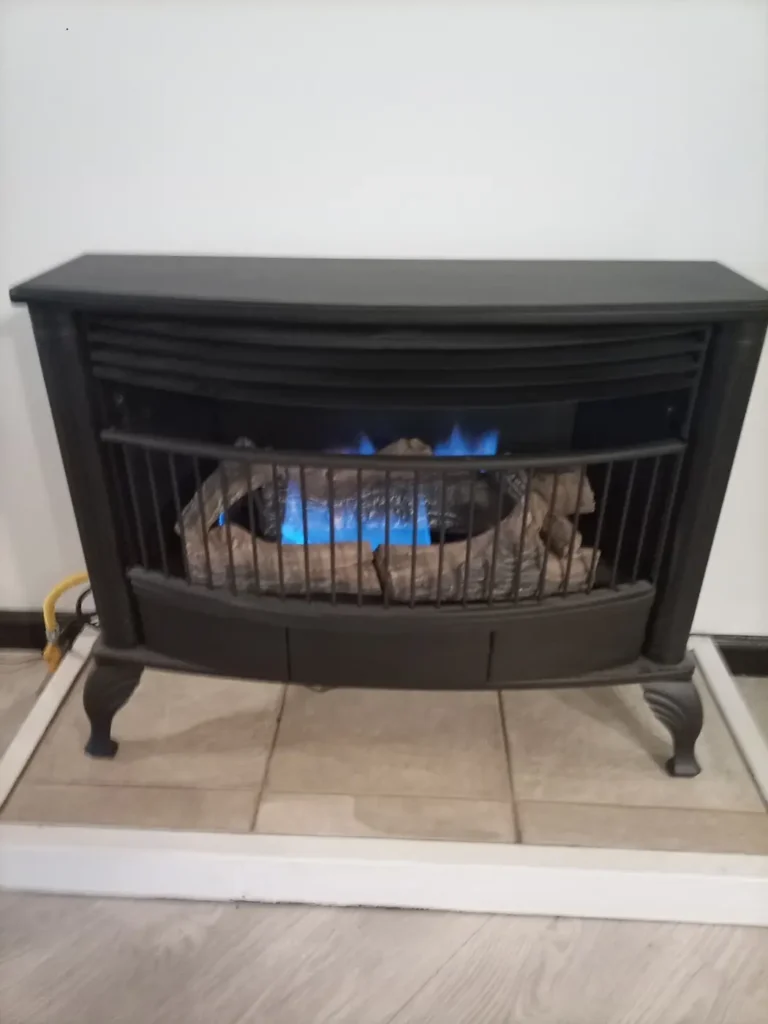
Two Gas Fireplace System Replacements in Middle Township, NJ
Middle Township, NJ · Fireplace system replacement (two units)
Two fireplace systems replaced with gas fireplace systems in Middle Township.
Read the projectReady to have your chimney looked at?
Call us, or send a scheduling request. We will contact you to confirm a time. Your appointment is not confirmed until we do.