Fireplace and smoke problems
Closing off a fireplace you do not use
A fireplace you no longer use is still a chimney. Closing it properly is mostly about the top, the opening and what you leave in between.
Short answer. An unused chimney still takes in rain and shelters animals unless the top is capped. If you want to stop using a fireplace, a cap at the top, a damper or other closure at the opening, and an occasional check of the chimney are common steps. Ask before sealing it permanently, since a trapped chimney can collect moisture.
Why it still needs attention
Water, animals and debris do not care whether you use the fireplace. A chimney with an open top lets rain in and can damp the walls inside the house. It also gives birds and other animals a place to nest. CSIA notes that unused flues can draw smoke from active fireplaces in an airtight house, and suggests a top-mounted damper on the unused one.
Common choices
| Option | What it does | Keep in mind |
|---|---|---|
| Cap at the top | Keeps rain and animals out | Works whether or not the fireplace is usable |
| Top-sealing damper | Closes the flue at the top | Needs a cable; also acts as a cap |
| Closure at the opening | Blocks drafts at the fireplace | Make it removable so the chimney can be inspected |
| Permanent seal at both ends | Stops use completely | A trapped chimney can hold moisture; ask about ventilation |
| Gas logs or an insert | Keeps it usable in a different form | The fuel and liner requirements change |
Closing it in steps
- Decide the goal. Never use again, rarely, or maybe later.
- Have the chimney inspected so you know its condition, and so any problem is dealt with before it is closed.
- Cap the top. This is the single most useful step.
- Close the opening in a way that does not trap moisture and can be removed for inspection.
- Check for other users. If a furnace, boiler or water heater vents into the same chimney, do not close it off.
- Keep records of what you did, for you and for future owners.
What can go wrong
| Mistake | What follows |
|---|---|
| Sealing the opening and leaving the top open | Rain and animals still get in, and you cannot see it |
| Sealing both ends tightly | Moisture collects with no way out |
| Closing off a flue another appliance uses | Exhaust has nowhere to go |
| Using combustible material in the opening | A fire risk if the fireplace is ever lit by mistake |
| Forgetting about it | Nests, water damage and a surprise at sale |
When you sell
Buyers and their inspectors will ask. A chimney inspection report, a cap you can point to and a note of how the opening was closed make it easier. If the fireplace is closed, say so, and tell buyers not to use it unless it has been inspected. See chimney inspection when buying or selling.
Check local rules
Altering a fireplace can be subject to local building rules, particularly if it is part of a permit. This guide is general information. Ask your local building department what applies before major changes.
Common misconceptions
"If I never use it, it does not need anything." Weather and animals do not wait for use.
"Bricking it up is safest." A permanently sealed chimney with a leaking top is a hidden water problem.
Sources
About this guide. Published by Dr. Sweeper as general homeowner education, last updated October 1, 2026. Sources are linked where they are cited. What applies to your home can depend on your local building code, your appliance and its manufacturer's instructions, and the actual condition of your chimney, so this guide is not a substitute for an inspection.
If you need help
Related services
Chimney caps
Rain and animal protection at the flue top.
Learn moreChimney dampers
Damper and cap damper repair or replacement.
Learn moreChimney inspection
A condition check of the chimney system.
Learn moreChimney sweep
Cleaning of the flue and firebox.
Learn moreFireplace Repair
Start from the symptom.
Learn moreGas Fireplace Replacement
When a new unit is better.
Learn moreGas Log Installation
Vented and vent-free gas log sets.
Learn moreOur work
Related project work

Liner Installation, Two Crown Repairs and Two Chimney Caps in North Brunswick Township, NJ
North Brunswick Township, NJ · Chimney liner, two crown repairs, two chimney caps
A multi-part chimney project: liner, two crowns and two caps.
Read the project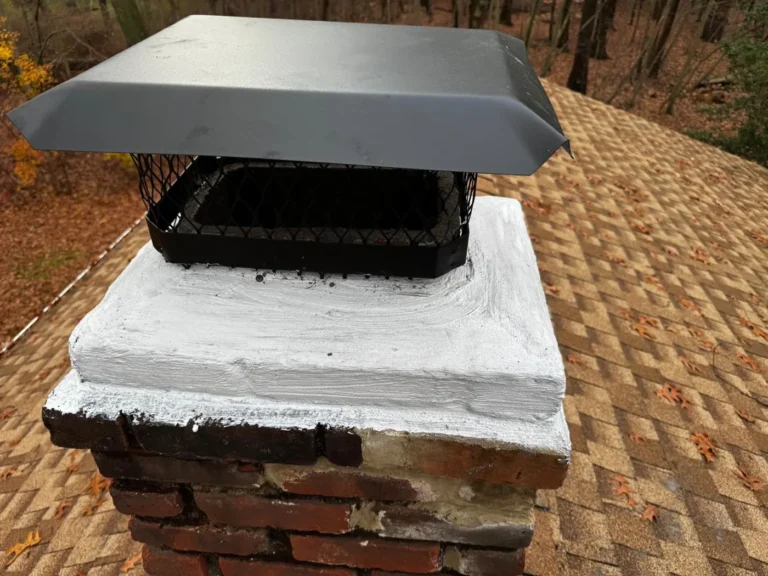
Crown Repair, Chimney Cap and Smoke Chamber Work in East Windsor, NJ
East Windsor, NJ · Crown repair, chimney cap, smoke chamber repair
Crown, cap and smoke chamber work on an East Windsor chimney.
Read the projectQuestions
Frequently asked questions
Do I need a cap if the fireplace is closed?
It is the most useful single step. It keeps rain and animals out.
Can I turn it into a gas fireplace later?
Often. The flue would be checked for the new fuel first.
What about a flue I never used?
It should be capped. See the guide on unused flues.
Who can seal it?
A chimney professional. They can advise on what to do at the opening.
Ready to have your chimney looked at?
Call us, or send a scheduling request. We will contact you to confirm a time. Your appointment is not confirmed until we do.