Smoke Chamber Parging in New Jersey
The smoke chamber is the sloped area just above the fireplace, where the firebox narrows to the flue. If its walls are rough or cracked, parging smooths and seals them.
What the smoke chamber is
Above the damper, a masonry fireplace narrows from the width of the firebox to the width of the flue. That funnel-shaped space is the smoke chamber. In many older fireplaces it was built by stepping bricks inward, leaving rough ledges and open mortar joints on the inside.
What parging does
Parging is coating those inside walls with a heat-resistant material to make them smooth and sealed. A smooth, sealed surface lets smoke move up the flue, leaves fewer ledges for soot and creosote to collect on, and closes gaps that could let smoke, gas or heat reach framing around the fireplace.
Signs the smoke chamber needs attention
- The fireplace smokes into the room or draws poorly
- Rough stepped brick with exposed mortar ledges when you look up past the damper
- Cracks, missing mortar or a crumbling old parge coat
- Heavy soot or creosote on the ledges
- Smoke or odor coming from the wall around the fireplace
- Damage found after a chimney fire
Why it matters
The smoke chamber is easy to overlook because you cannot see it without looking up past the damper. Gaps in its walls are one of the findings that matter in an inspection, because they sit right next to the structure of the house.
Options
- Parging with refractory mortar: the traditional repair, applied in layers to smooth and seal the existing walls.
- Repair first, then parge: where joints are open or bricks are loose, those are repaired so the parge has a sound base.
- Lining the smoke chamber: in some installations, a liner system is used in the smoke chamber as part of relining the chimney.
The right option depends on the condition of the masonry and whether the chimney is also being relined. We explain what we find and why we recommend it.
What the work involves
- Inspecting the smoke chamber from the firebox
- Cleaning off soot and creosote so the new material can bond
- Repairing open joints and loose brick
- Applying the parge in layers and smoothing the walls
- Letting it cure before the fireplace is used
A common thing to ask
Can I see the smoke chamber myself? Often you can, with a flashlight, by looking up past the damper once the fireplace is cold. Rough, stepped brick and open joints are the things to look for. If you are not sure what you are seeing, an inspection will tell you.
Our work
Recent smoke chamber parging projects

Smoke Chamber Repair and HeatShield in Atlantic City, NJ
Atlantic City, NJ · Smoke chamber repair, HeatShield flue repair
Smoke chamber repair and HeatShield flue repair in Atlantic City.
Read the project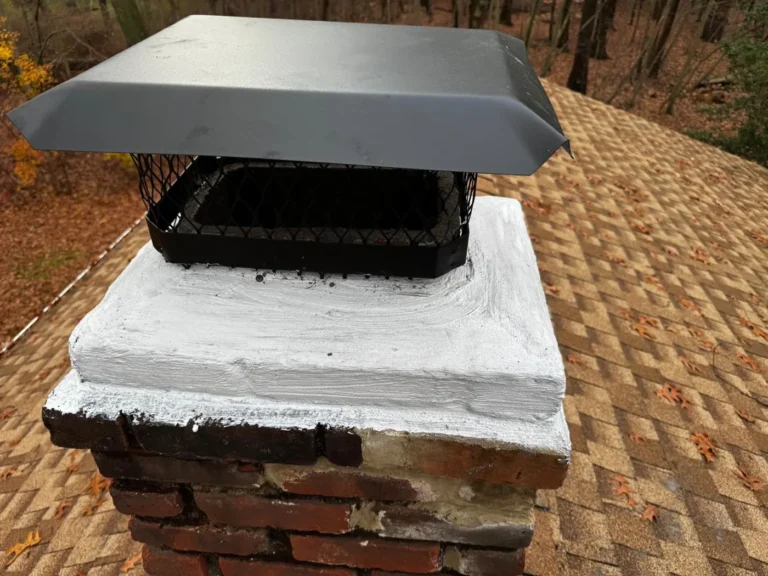
Crown Repair, Chimney Cap and Smoke Chamber Work in East Windsor, NJ
East Windsor, NJ · Crown repair, chimney cap, smoke chamber repair
Crown, cap and smoke chamber work on an East Windsor chimney.
Read the project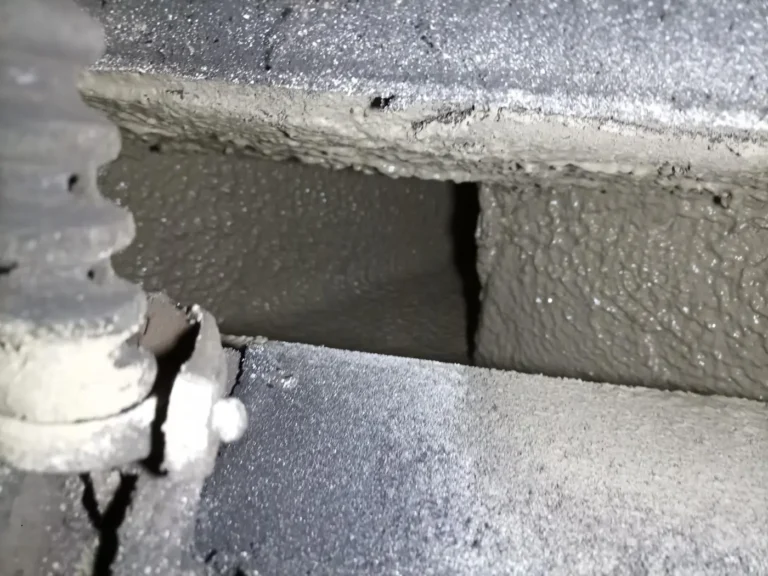
Smoke Chamber Repair in Somerdale, NJ
Somerdale, NJ · Smoke chamber repair
Smoke chamber repair on a Somerdale fireplace and chimney.
Read the project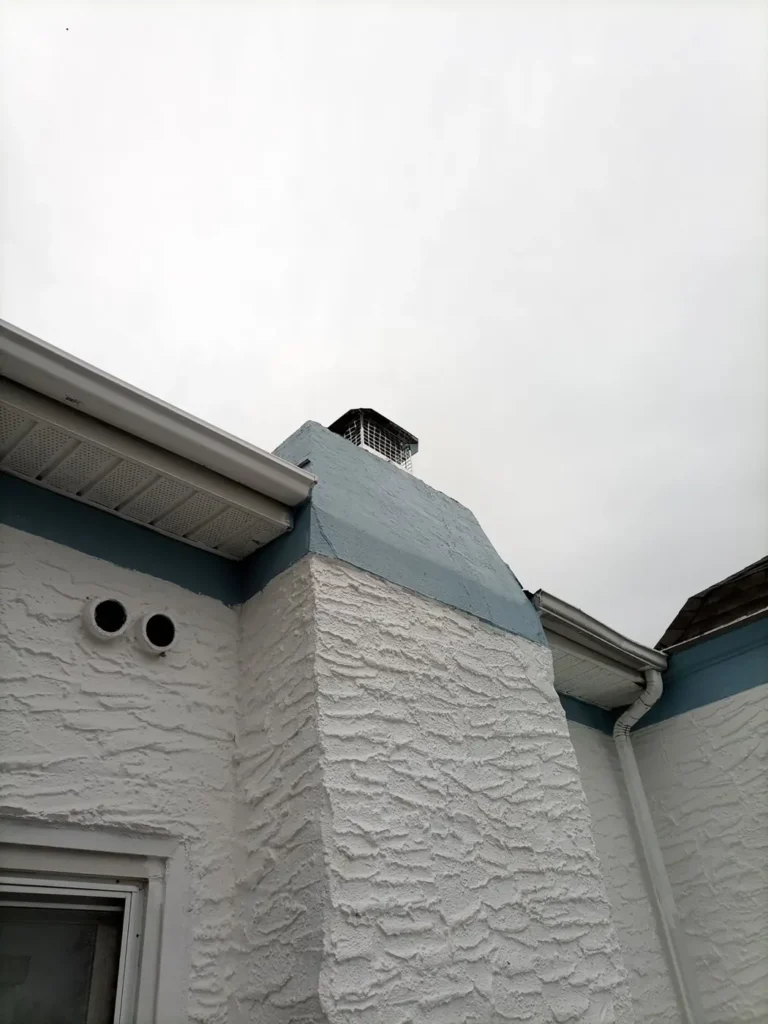
HeatShield, Cap Damper, Smoke Chamber and Fireplace Repair in North Bergen, NJ
North Bergen, NJ · HeatShield flue repair, cap damper, smoke chamber repair, fireplace crack repair
Several chimney and fireplace repairs completed together in North Bergen.
Read the projectRelated services
Chimney Inspection
A closer look at the smoke chamber and flue.
Learn moreChimney Liners
Relining the flue, sometimes together with the smoke chamber.
Learn moreChimney Dampers
The damper sits just below the smoke chamber.
Learn moreWe work throughout New Jersey. See our service areas, or browse all services.
Questions
Frequently asked questions
What is the difference between the smoke chamber and the flue?
The smoke chamber is the sloped transition above the firebox. The flue is the vertical passage above it that carries smoke out of the chimney.
Can a rough smoke chamber cause smoking?
It can contribute. Rough, stepped walls disturb airflow, and other causes are possible too, so an inspection helps find the actual reason.
Is parging the same as relining?
No. Parging coats the walls of the smoke chamber. Relining installs a new liner in the flue. Some jobs involve both.
Can a damaged parge coat be repaired?
Yes. Loose material is removed and the walls are re-coated. If the underlying joints are open, those are repaired first.
Chimney Academy
Guides that go with this page
Ready to have your chimney looked at?
Call us, or send a scheduling request. We will contact you to confirm a time. Your appointment is not confirmed until we do.