Fireplace and smoke problems
Damper not working: causes and options
A damper that sticks, will not close or rattles can usually be traced to a few causes. The right fix depends on which one you have.
Emergency first. Act on these before anything else on this page.
- Fire, flames, or a room filling with smoke: get everyone out of the home and call 911 or the fire department. If someone or a pet cannot get out, tell the operator or firefighters right away. Ready.gov: home fires.
- A carbon monoxide alarm sounds, or you suspect carbon monoxide poisoning: get outside to fresh air immediately, then call 911. Carbon monoxide is colorless and odorless, so you cannot smell it. CPSC: carbon monoxide.
- You smell gas: leave the building immediately. Do not try to find the source, and do not use light switches, phones, matches, appliances or a car near the building. Once you are at a safe distance, call your gas utility or 911. PSE&G tells customers to move at least 350 feet away and call 1-800-880-PSEG (7734) or 911. PSE&G: if you smell gas. Other utilities publish their own numbers.
Damper problems are routine repairs. Booking a visit is for after any emergency is handled.
Short answer. A throat damper sits low in the fireplace and can rust, warp or jam with debris. A top-sealing damper sits at the flue top and is operated by a cable. Work out which you have, what the damper does when you try it, and whether air is leaking when it is closed.
Which damper do you have?
| Type | Where it is | How it is operated |
|---|---|---|
| Throat damper | Just above the firebox, inside the fireplace | A handle or poker control reachable from the opening |
| Top-sealing damper | At the top of the flue, built with or beneath the cap | A cable that runs down to a bracket in the fireplace |
| Insert or stove damper | Part of the appliance or its connector pipe | A control on the appliance |
If you cannot see a damper plate above the firebox, you may have a top-sealing damper. Many homes have only a throat damper.
Symptom, likely cause, next step
| What you notice | Possible cause | Next step |
|---|---|---|
| Handle will not move | Rust, warped plate, or built-up deposits on the mechanism | Do not force it. Have the damper and flue checked |
| Will not close fully | Warped plate, debris in the track, or a broken part | Look for light or drafts around the plate; ask for assessment |
| Cold air comes down when closed | Plate does not seal, or a gap around the frame | Consider a top-sealing damper, which closes the flue at the top |
| Rattling or banging in wind | Loose plate or loose cap parts | Check from above and below |
| Handle moves but nothing changes | Broken linkage, or cable detached (top-sealing type) | Have the cable and spring checked |
| Smoke filling the room, even when open | Not a damper question. May be an emergency | Get out and call 911; see the emergency box. For brief or occasional smoke, read the smoke guide |
Safe things to check yourself
- Make sure the fireplace is cold before reaching in.
- Look up with a flashlight (not a flame) to see whether the plate is in the position the handle suggests.
- Open it fully before lighting any fire, every time.
- Do not use hammers or chemicals to free a stuck damper. Damaging the plate can make a repair larger.
Repair or replace
Cleaning a damper that is only stuck with deposits can restore it. Rust-through, a warped plate or a failed seal usually means replacement. A top-sealing damper is a different product: it replaces the function of the throat damper and also acts as a cap, which is why it is often considered where drafts and heat loss are the complaint. Whether it suits your chimney depends on the flue and the fireplace, which is something to confirm on site.
Common misconceptions
"Leave it open, it does no harm." An open flue lets conditioned air leave the house and allows rain and animals in if the top is uncovered.
"A stuck damper means a new chimney." It usually means one component needs attention.
"Closed means sealed." Most throat dampers do not seal tightly.
See also
For smoke entering the room, see smoke coming into the house. For what protects the flue opening at the top, see chimney cap vs. chase cover.
About this guide. Published by Dr. Sweeper as general homeowner education, last updated October 1, 2026. Sources are linked where they are cited. What applies to your home can depend on your local building code, your appliance and its manufacturer's instructions, and the actual condition of your chimney, so this guide is not a substitute for an inspection.
If you need help
Related services
Chimney dampers
Damper and cap damper repair or replacement.
Learn moreChimney caps
Rain and animal protection at the flue top.
Learn moreChimney inspection
A condition check of the chimney system.
Learn moreDamper Repair
Sticking or leaking dampers.
Learn moreDamper Replacement
Warped or rusted dampers.
Learn moreTop-Sealing Damper
A damper and a cap in one.
Learn moreOur work
Related project work
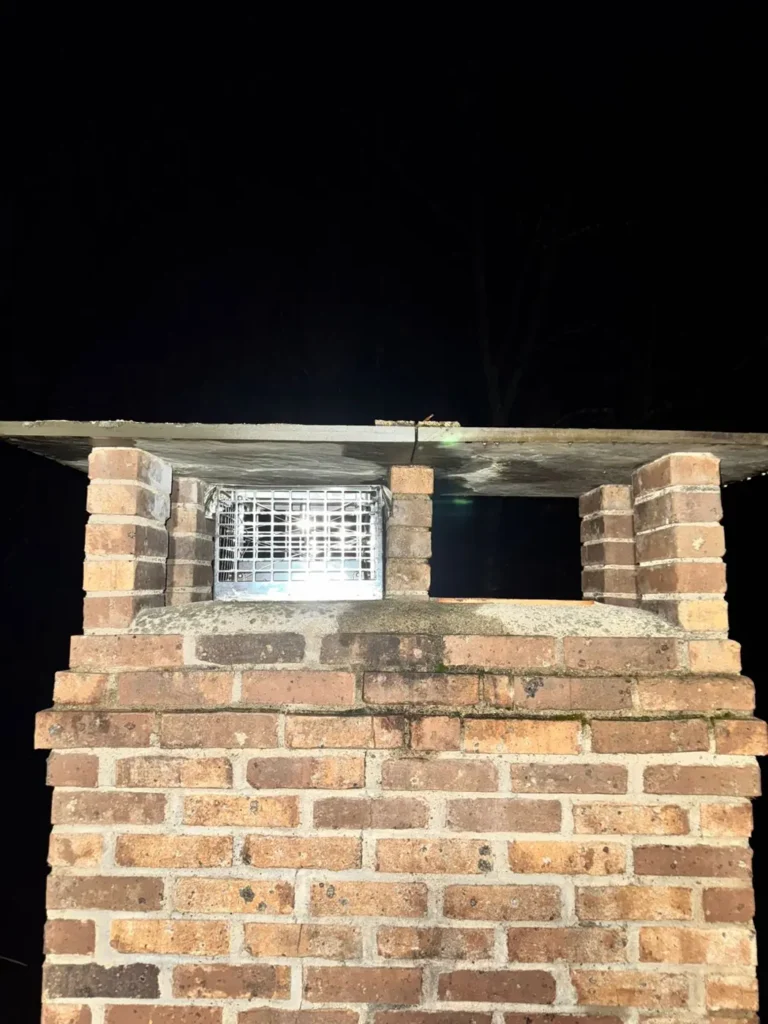
Damper Cap Installation and Two Fireplace Cleanings in Wanaque, NJ
Wanaque, NJ · Damper cap installation, fireplace cleaning
A damper cap installed and two fireplaces cleaned in Wanaque.
Read the project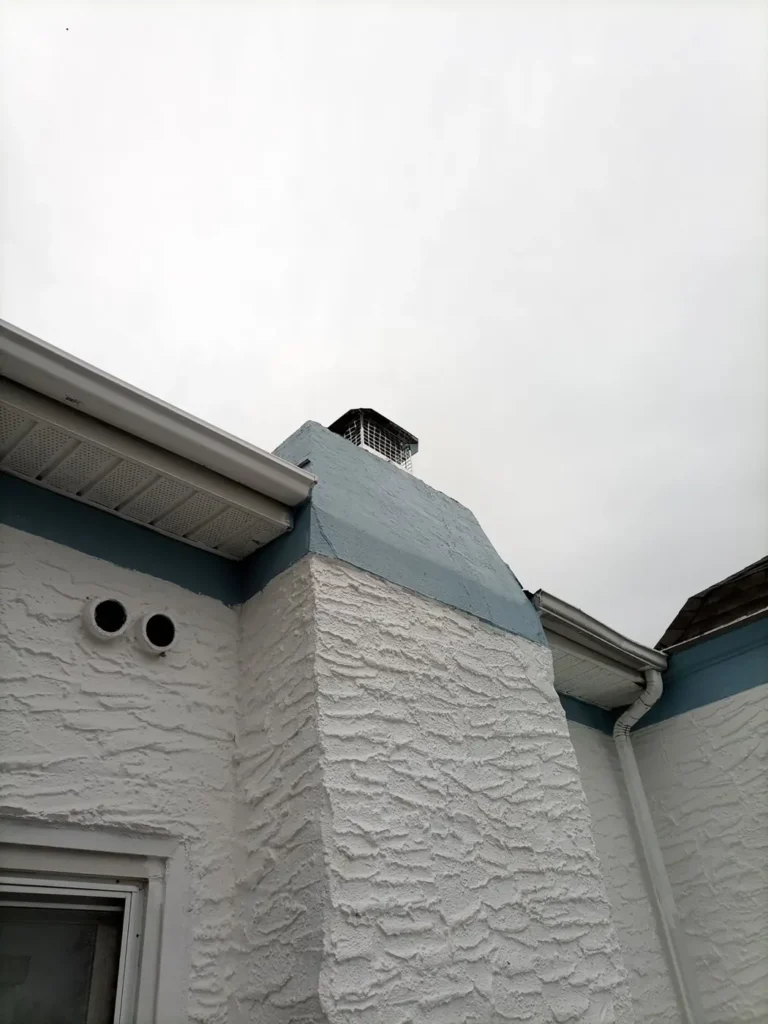
HeatShield, Cap Damper, Smoke Chamber and Fireplace Repair in North Bergen, NJ
North Bergen, NJ · HeatShield flue repair, cap damper, smoke chamber repair, fireplace crack repair
Several chimney and fireplace repairs completed together in North Bergen.
Read the projectQuestions
Frequently asked questions
Can I use the fireplace with a stuck damper?
Do not light a fire unless the damper is fully open. If it will not open, do not use the fireplace until it has been checked.
Is a top-sealing damper worth it?
It can reduce downdrafts and heat loss and keeps the top covered. Fit depends on the flue.
How do I know if the damper is closing?
Look up from the firebox with a flashlight and check for light or movement of the plate.
Damper stuck or leaking air?
Call or book a visit and we will look at it.